

Calming Complex
Formerly known as Tang Kuei Plus
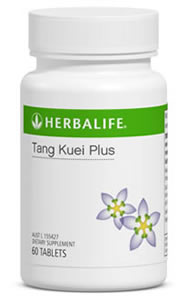
Tang Kuei is a traditional herb that assists in the relief of pre-menstrual symptoms, muscular aches and pains, nervous tension, stress and mild anxiety. Chamomile is perfect for relaxing muscles and easing tension, making it ideal for promoting a restful night's sleep.

 Key Product Benefits
- Can be used by both men and women
- Supports muscle relaxation and promotes restful sleep
- Aids in the relief of pre-menstrual symptoms
- Each tablet contains 1670 mgs of Tang Kuei & 2000 mgs of German Chamomile.
 Ingredients Listing
- Tang Kuei
The gentle herbal properties of Angelica polymorpha (Tang Kuei or Dong Quai) encourage the body to restore its natural balance. - Chamomile
The flower heads of German Chamomile have been used for medicinal purposes since ancient times due to its reputed anti-inflammatory and antispasmodic properties. Known for its ability to soothe smooth muscle tissue, chamomile is perfect for relaxing muscles and easing tension, making it ideal for promoting a restful night's sleep.
 Product Usage
Take one tablet up to three times per day. Use with Xtra-Cal further promote women’s health.
 Additional Information
Tang Kuei
Tang kuei (also spelled tang-kuei or tang kue) is another name for dong quai (scientific name: *Angelica sinensis*), a perennial herb native to China, Japan, and Korea. It's commonly known as "Chinese angelica" or "female ginseng" and has been used for thousands of years in traditional Chinese medicine (TCM), primarily as a "blood tonic" to nourish and invigorate blood, regulate menstruation, and support women's health.
Here are the main health benefits based on traditional use and available research:
- Menstrual and gynecological support - Often used for menstrual cramps (dysmenorrhea), irregular periods, premenstrual syndrome (PMS) symptoms like bloating, mood swings, and breast tenderness, scanty periods, and menopausal symptoms such as hot flashes. In TCM, it's valued for addressing "blood deficiency" patterns that contribute to these issues.
- Menopausal symptom relief - Traditionally taken to ease hot flashes, mood changes, and other perimenopausal/postmenopausal discomforts, though clinical evidence is mixed and often inconclusive.
- Blood health and circulation - Believed to "build blood," improve circulation, treat anemia ("tired blood"), and support cardiovascular health by potentially enhancing blood flow and acting as a mild anticoagulant.
- Anti-inflammatory and pain relief - Contains compounds with potential anti-inflammatory, antispasmodic, and analgesic effects, which may help with joint pain, headaches, or general inflammation.
- Other traditional uses - Includes supporting fertility, immune function, constipation, ulcers, hypertension, allergies, and even some neuroprotective or energy-boosting effects in TCM contexts.
Chamomile
Chamomile (primarily German chamomile, *Matricaria chamomilla*, or Roman chamomile, *Chamaemelum nobile*) is a popular herbal remedy, most commonly consumed as tea from its dried flowers. It has been used traditionally for centuries to promote relaxation and support various health issues. Its key active compounds include flavonoids like apigenin (which binds to GABA receptors in the brain for calming effects), terpenoids, and antioxidants.
Here are the main health benefits, supported by a mix of traditional use, preclinical studies, and clinical evidence:
- Improved sleep and relaxation - Chamomile is best known as a mild sedative. Systematic reviews and meta-analyses show it can enhance overall sleep quality (e.g., reducing awakenings after falling asleep and improving scores on scales like the Pittsburgh Sleep Quality Index). It may help with insomnia, reduce nighttime disturbances, and promote easier sleep onset in some studies, though it doesn't always increase total sleep duration or efficiency. Apigenin is thought to contribute to these calming effects.
- Reduced anxiety - Multiple clinical trials and systematic reviews indicate oral chamomile (as tea, extract, or capsules) can lower symptoms of generalized anxiety disorder (GAD), mild-to-moderate anxiety, and situational stress (e.g., in postoperative patients or during menstrual cycles). Most studies find it effective compared to placebo, with benefits seen over weeks of use. It's considered a safer alternative to some pharmaceuticals for mild cases.
- Digestive support - Traditionally used for indigestion, bloating, gas, nausea, and mild stomach upset. It has antispasmodic and anti-inflammatory properties that may soothe the gut. Some evidence supports its use for diarrhea in children (in combinations) or general gastrointestinal comfort, though standalone chamomile evidence is more limited.
- Anti-inflammatory effects - Chamomile shows potent anti-inflammatory activity in lab and animal studies, and recent meta-analyses of clinical trials suggest benefits for reducing inflammation-related issues like oral mucositis (mouth sores from cancer treatment) or skin/mucosal inflammation. It may lower inflammatory markers and provide relief in conditions like eczema or wound healing.
- Blood sugar control - Preliminary studies suggest chamomile tea may help lower blood sugar levels in people with diabetes or improve glycemic control, potentially due to its antioxidant properties.
- Other potential benefits - Includes antioxidant protection (fighting free radicals), mild antimicrobial action, possible cardiovascular support (e.g., anti-hypertensive or cholesterol-lowering in animal models), menstrual cramp relief (via antispasmodic and anti-anxiety effects), and emerging research on anticancer properties (e.g., targeting certain cancer cells in lab studies). It may also aid minor wound healing or skin conditions topically.